

 Early Bird Sale








 Account Information
 My Wishlist
 My Coupons
 Facebook Community
 My Orders
 My Reviews
 Contact Us




-
Folding Aluminium Rollator Walker Mobility Aid With 4 Wheels
£102.95 £267.95 61% OFFSave £165.00 (61%) -
2 in 1 Walker Aluminium Mobility Walking Aid with Seat Adjustable
£84.95 £213.95 60% OFFSave £129.00 (60%) -
Lightweight Aluminium Folding Walking Mobility Aid With 4 Wheels
£94.95 £251.95 62% OFFSave £157.00 (62%) -
Foldable Rolling Walker with Seat
£114.95 £300.95 61% OFFSave £186.00 (61%) -
Rollator Walkers Lightweight Foldable Rolling Walker with Tray for Seniors
£97.95 £166.95 41% OFFSave £69.00 (41%) - limited time offer

Walker for Seniors with Seat Folding Rollator Walker with Pneumatic Tires
£119.95 £219.95 45% OFFSave £100.00 (45%) - limited time offer
2-in-1 Foldable Rollator Walker with Seat and Pneumatic Tires for All Terrain
£149.95 £257.95 41% OFFSave £108.00 (41%)Only 1 left in stock - order soonOnly 1 left in stock - BestSeller
Foldable Rollator Walker with Seat and Carbon Fiber Structure for Seniors
£244.95 £349.95 30% OFFSave £105.00 (30%) -
- Out of Stock
Lightweight and Folding Kids Walker for Disabled Injured Training
£37.95 £95.95 60% OFFSave £58.00 (60%) - Out of Stock
2-in-1 Folding Ergonomic Rollator with Storage Bag
£129.95 £324.95 60% OFFSave £195.00 (60%) - Out of Stock
Folding Aluminum Rolling Walker with Zippered Storage Bag and Safe Dual Brake System
£85.95 £144.95 40% OFFSave £59.00 (40%) - Out of Stock
Walker for Seniors Foldable Rollator Walker with Lightweight Aluminum Frame
£87.95 £220.95 60% OFFSave £133.00 (60%)
Related Searches
-
Patio Furniture Home Office Decorative Accessories Toddler & Kids Furniture
What Are Walkers & Rollators?
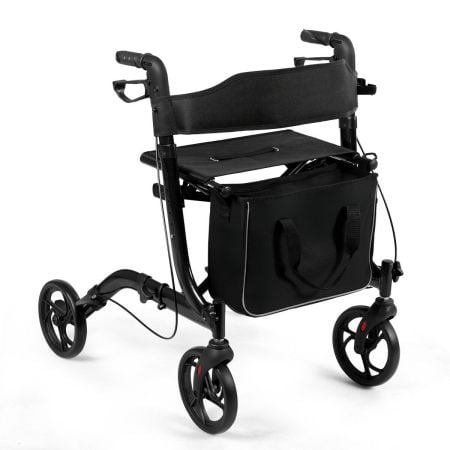
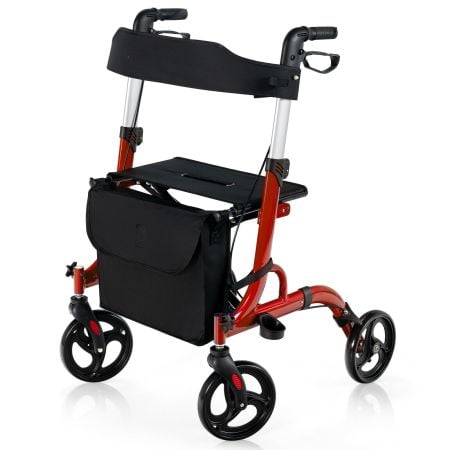
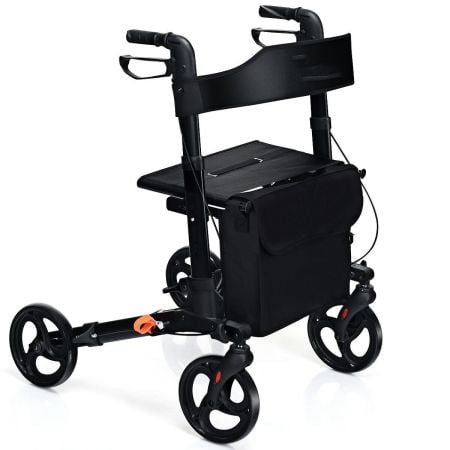
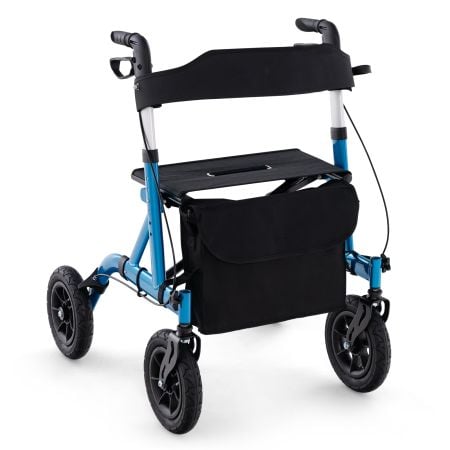
Walkers and rollators are mobility aids designed to provide extra balance, stability, and confidence while walking. A standard walker (walking frame) usually has four legs (often with non-slip rubber tips, or front glides) and is lifted or lightly pushed forward step by step. A rollator (wheeled walker) typically has 3 or 4 wheels, a supportive frame, and hand brakes—many models also include a built-in seat, backrest, and storage bag.
In this category, you’ll commonly find folding walkers, lightweight aluminium rollators, indoor/outdoor rollators, and rollator walkers with seats that are designed for everyday use at home, on pavements, or while shopping and travelling.
Who Are They For, and What Benefits Do They Offer?
Walkers and rollators can be a great fit for people who:
• Feel unsteady, tire easily, or worry about falling
• Are recovering after surgery, injury, or illness (as advised by a clinician)
• Live with arthritis, joint pain, balance issues, or reduced leg strength
• Want to stay independent for errands, прогулки/walks, commuting, and social outings
Key benefits include:
• Improved balance and fall prevention: A stable frame and secure grips reduce wobbling and missteps.
• Less strain on joints: Sharing some body weight through the arms can ease pressure on hips, knees, and ankles.
• More independence: Storage bags and seats make shopping trips and longer walks easier and safer.
• Confidence indoors and outdoors: Proper wheels, brakes, and height adjustment help you move more naturally on different surfaces.
Tip: If you’re unsure which type is safest for your needs, a GP, physiotherapist, or occupational therapist can recommend the most suitable option and correct setup.
Buying Guide: How to Choose the Right Walker or Rollator
1. Choose the right type for your walking style
• Standard walker / walking frame: Best for maximum stability and slower, controlled steps (often ideal indoors).
• Two-wheeled walker: Easier to move forward than a standard frame while still offering strong support.
• 3-wheel rollator: Great for tight indoor spaces and manoeuvrability; usually lighter and slimmer.
• 4-wheel rollator: Best all-rounder for outdoor walking, longer distances, and added features (seat, backrest).
2. Get the correct height (comfort + safety)
A proper fit helps you stand upright and avoid shoulder/hand strain:
• Look for height-adjustable handles.
• As a rule of thumb, when standing naturally, the handle height should align near your wrist crease (arms relaxed).
If you’re between sizes or have posture concerns, prioritise adjustability.
3. Check brakes and control (especially for rollators)
For outdoor use or if you need rest breaks, choose models with:
• Easy-squeeze hand brakes for slowing down
• Parking brake/lock for sitting safely
• Comfortable, non-slip grips—useful if you have weaker hands
4. Consider seat comfort (if you plan to rest)
If you want a rollator with a seat, look for:
• A sturdy seat and supportive backrest
• Enough seat height to stand up safely
• A stable frame that feels secure when you sit (always use the parking brake)
5. Match wheels to where you’ll use it
• Smaller wheels: Often better indoors and on smooth floors
• Larger wheels: More stable outdoors and over paving gaps or uneven surfaces
If you’ll use it mainly outside, prioritise larger wheels + reliable brakes.
6. Weight capacity and frame strength
Check the maximum user weight and choose a frame that gives you a comfortable safety margin. If you need extra support, look for heavy-duty/bariatric options.
7. Folding and portability
If you travel, store it in a hallway, or put it in a car boot:
• Choose a quick-fold design
• Check folded dimensions and overall weight (a lightweight foldable rollator is easier to lift)
8. Practical extras that matter day-to-day
Useful features include:
• Storage bag/basket for shopping
• Walking stick holder
• Reflective details for visibility
• Easy-to-clean materials and replaceable wear parts (tips, wheels)
FAQ
1. What’s the difference between a walker and a rollator?
A walker (walking frame) is typically more stable and may require lifting or controlled pushing. A rollator has wheels and brakes, making it easier to move smoothly and often better for longer distances.
2. Is a rollator safe if I have balance problems?
Many people find rollators helpful, but safety depends on your gait, strength, and coordination. If you feel very unsteady or tend to lean heavily, a standard walker may provide better stability. When in doubt, seek advice from a clinician.
3. How do I set the handle height correctly?
Stand upright with arms relaxed by your sides. A good starting point is handles around your wrist crease height. Your elbows should bend slightly when holding the grips—this supports posture and reduces strain.
4. Can I sit on a rollator seat anywhere?
Only sit when the rollator is stationary with the parking brakes locked and on a stable surface. Avoid slopes, kerbs, or uneven ground when using the seat.
5. What wheel size do I need for outdoor use?
For pavements, parks, and uneven surfaces, larger wheels generally roll more smoothly and feel more stable. Smaller wheels are often better indoors.
6. How do I know if the weight capacity is right for me?
Check the product’s maximum user weight specification and choose a model that comfortably exceeds your needs. Don’t forget that bags may carry extra items—follow the manufacturer’s load guidance.
7. How do I maintain my rollator?
Regularly check:
• Brake function and cable tension
• Wheel wear and alignment
• Tightness of bolts and folding locks
• Clean grips and frame
Replace worn parts (tips/wheels) to maintain safety and smooth rolling.