










Raised Garden Beds are one of the easiest ways to improve growing conditions in UK gardens. They provide better drainage, warmer soil, and easier access for planting and maintenance. To address this need, Costway offers a range of raised garden beds designed for different garden sizes and growing goals. This guide explains how to choose the right materials, dimensions, soil mix, and construction method for a successful raised bed garden in the UK.
Key Takeaways
Location Matters: Choose a site that receives at least six hours of sunlight and drains well after rainfall.
Material Selection: Galvanised steel lasts longer in wet conditions, while timber provides a traditional garden appearance.
Correct Dimensions: Raised beds should generally be no wider than 120 cm to allow easy access from both sides.
Soil Quality: A mix of topsoil, compost, and organic matter creates a productive growing environment.
Drainage Protection: Proper drainage prevents root rot and improves plant health during wet UK seasons.
Vegetable Success: Deep beds support stronger root development for crops such as carrots and potatoes.
Maintenance Reduction: Raised Garden Beds help reduce weeds and soil compaction compared with traditional garden plots.
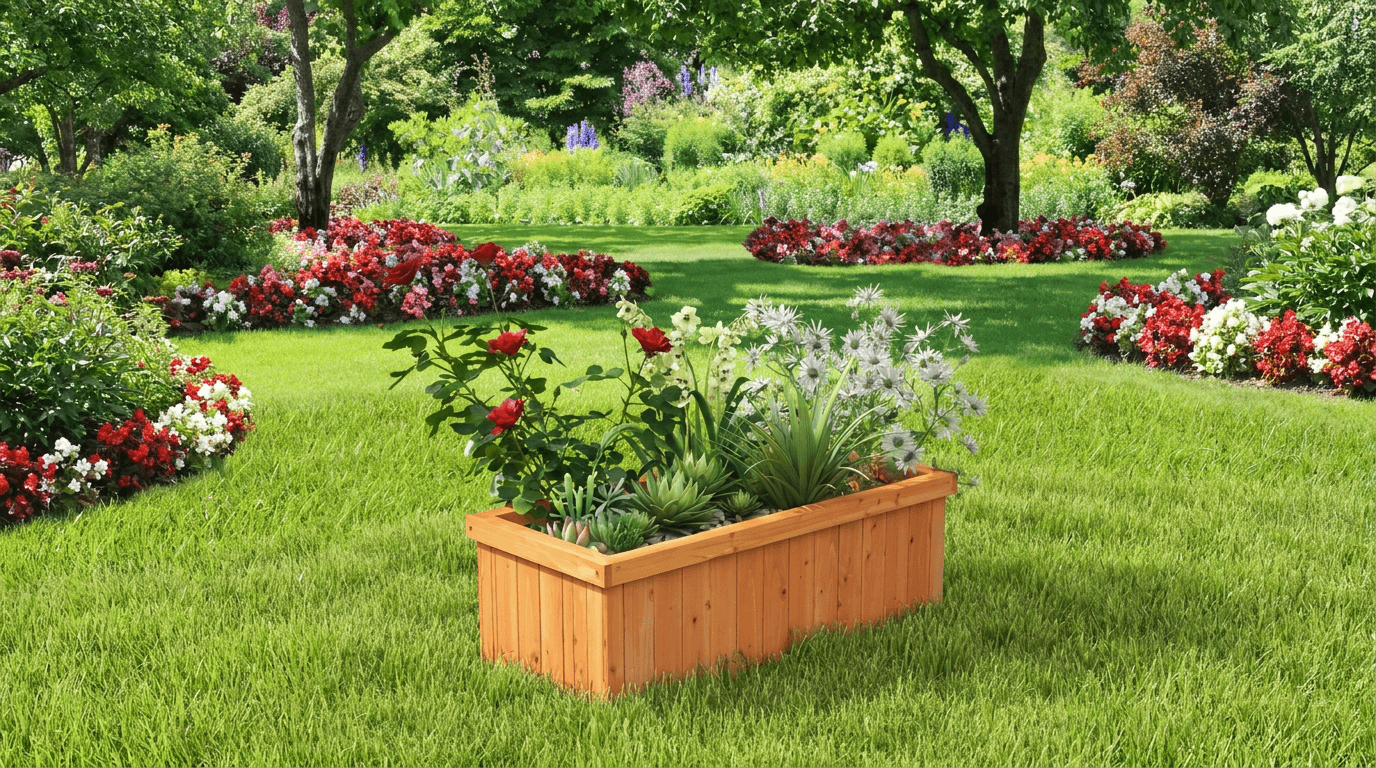
What Should You Consider Before Building a Raised Bed in the UK?
Before building a raised garden bed, you should consider sunlight, drainage, materials, and dimensions. In simple terms, good planning helps you avoid common problems and creates better growing conditions from the start.
Location: Choose a sunny spot that receives at least six hours of direct sunlight daily. Most vegetables and herbs grow best in a south-facing area with easy access to water.
Drainage: Good drainage is especially important in the UK's wet climate. If your garden has heavy clay soil or tends to stay wet after rain, a raised bed can help prevent waterlogging.
Materials: Timber is affordable and suits most garden styles, while galvanised steel offers greater durability and requires less maintenance. Choose the material that best fits your budget and long-term needs.
Dimensions: A width of around 120 cm allows you to reach the centre without stepping on the soil. If you plan to add plant supports for beans, peas, or tomatoes, make sure the bed is deep and sturdy enough to support taller crops.
Raised beds are particularly useful in smaller gardens, where careful planning can significantly improve functionality and visual appeal. You can find additional inspiration in our guide to modern small garden ideas to enhance your outdoor space.
What Size and Depth Should a Raised Bed Be?
The ideal raised bed size depends on the available space, the crops you plan to grow, and how easily you can reach the centre of the bed. In general, a raised bed should be wide enough to provide ample growing space while remaining easy to maintain.
According to guidance from the Royal Horticultural Society (RHS), most raised beds should be no wider than 1.2–1.5 metres. This allows gardeners to reach the middle from either side without stepping onto the soil, which helps prevent compaction and protects soil structure.
For most UK home gardens, the following dimensions work well:
| Dimension | Recommended Size | Notes |
| Width | 1.2 m | Easy access from both sides |
| Width (against a wall or fence) | 60 cm | Reachable from one side only |
| Length | 1.8–2.4 m | Practical for most garden layouts |
| Path Width | 45–60 cm | Allows comfortable movement and wheelbarrow access |
| Standard Depth | 30 cm | Suitable for most vegetables and herbs |
| Deep Bed Depth | 45 cm+ | Better for root crops and larger plants |
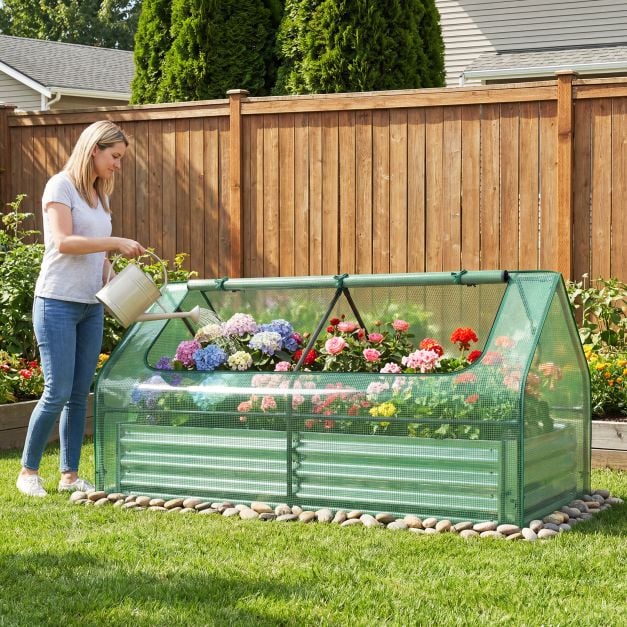
How to Make a Raised Bed Step by Step
With the planning complete, you can begin building your raised bed. Most homeowners can complete this project in a single weekend using standard DIY tools and readily available materials.
Tools and Materials You'll Need
You will need timber boards or steel panels, corner brackets, screws, a tape measure, a spirit level, a drill, a spade, topsoil, compost, and a watering can or hose. In practice, having all materials prepared before starting makes the project faster and more efficient.
Step 1: Choose the Size and Layout
First, decide exactly how large your raised bed should be based on available space and the crops you plan to grow. In simple terms, most home gardeners find that a bed around 120 cm wide provides comfortable access without stepping on the soil. Consider how much sunlight the area receives and whether nearby structures may create shade during the growing season. For example, positioning the bed near a water source can make future maintenance easier. This means that careful planning at this stage will help avoid costly adjustments later.
Step 2: Mark Out the Area
Use string, stakes, or marking paint to outline the shape of your raised bed. In practice, measuring twice before construction helps ensure accurate dimensions. Check that pathways around the bed remain wide enough for wheelbarrows and Garden Tools.
Step 3: Prepare the Ground
Remove grass, weeds, stones, and debris from the marked area. For example, perennial weeds should be removed completely to reduce future maintenance. A level foundation improves stability and helps the finished bed sit evenly on the ground.
Step 4: Build and Secure the Frame
Assemble the timber boards or metal panels according to your chosen design. In practice, secure corners firmly using screws or brackets to prevent movement over time. If you are using timber, weather-resistant fixings help improve durability in UK conditions.
Step 5: Level the Raised Bed
Check the frame using a spirit level before filling it with soil. This means that water will distribute more evenly throughout the bed. Small adjustments at this stage can improve growing performance later.
Step 6: Add a Weed Barrier (Optional)
A weed membrane can help suppress unwanted growth beneath the bed. For example, many gardeners use breathable landscaping fabric that allows drainage while reducing weed pressure. This step is especially useful in areas previously covered with grass.
Step 7: Fill the Raised Bed with Soil
Fill the bed with a mixture of quality topsoil, compost, and organic matter. In simple terms, fertile soil supports healthier root development and stronger plant growth. Many gardeners use a blend containing approximately 60% topsoil and 40% compost for vegetables and herbs.
Step 8: Water and Prepare for Planting
Water the soil thoroughly after filling the bed. In practice, this helps settle the growing medium and reveals any low spots that may need additional soil. Once moisture levels are balanced, your raised bed is ready for planting.
Best Raised Beds in the UK
The best raised bed depends on your available space, growing goals, and budget. In practice, UK gardeners often choose different designs depending on whether they are growing vegetables, herbs, flowers, or patio plants. If you prefer not to build from scratch, ready-made raised beds can save time and simplify installation.
| Feature | Elevated Timber Bed | Galvanised Steel Bed | Wooden Raised Bed Kit |
| Best For | Small Gardens | Vegetable Growing | Budget Gardening |
| Material | Wood | Galvanised Steel | Wood |
| Drainage | Drainage Holes | Open Bottom | Standard Drainage |
| Maintenance | Medium | Low | Medium |
| Vegetable Capacity | Medium | High | Medium |
| Lifespan | Medium | High | Medium |
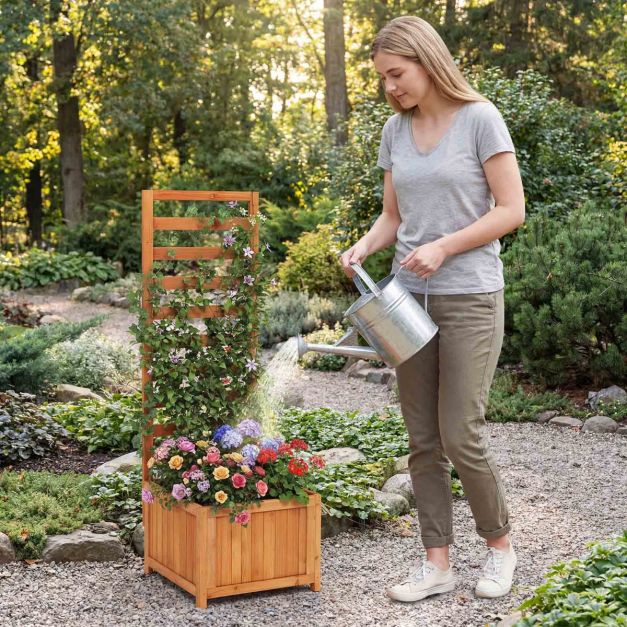
Best for Small Gardens: Compact timber raised bed
Costway Elevated Timber Raised Bed is ideal for patios, balconies, and compact gardens where ground space is limited. The 123 cm tall design helps reduce bending while gardening and includes drainage holes and drainage gaps that support healthy root conditions. For example, herbs, lettuce, strawberries, and decorative flowers can all thrive in this type of planter. This means that gardeners with limited outdoor space can still enjoy productive growing areas without major landscaping work.
Durability: Typically lasts 5–15 years depending on timber quality and weather exposure
Maintenance Level: Moderate maintenance; may require occasional treatment to extend lifespan
Material Performance: Natural timber provides good insulation for plant roots and is easy to customise
Example Use: 123 cm Tall Elevated Planter Box with Drainage Holes and Gaps is perfect for growing herbs, salad leaves, and strawberries in smaller outdoor spaces
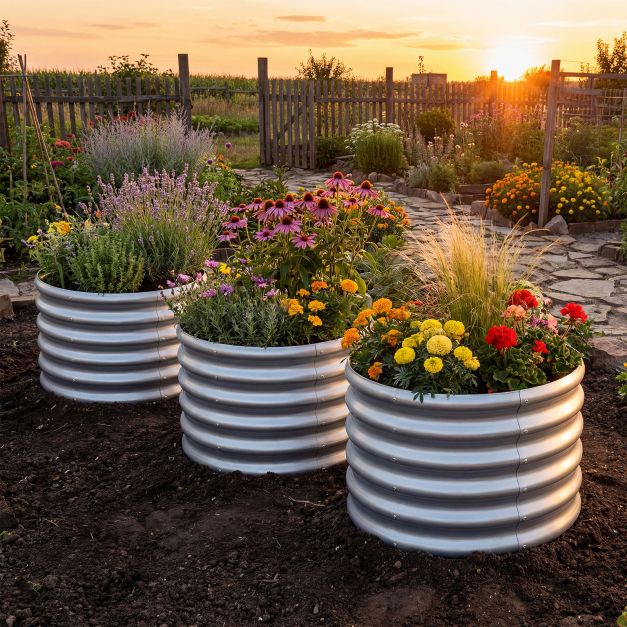
Best for Growing Vegetables: Medium-depth galvanised steel bed
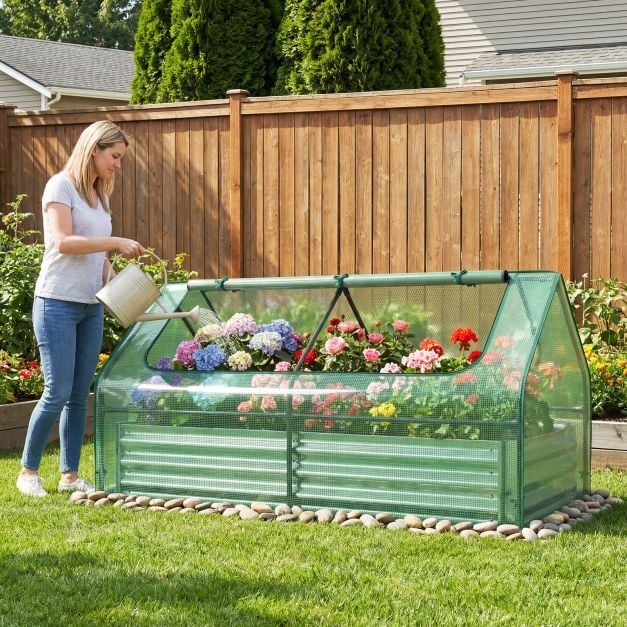
Costway Galvanised Steel Raised Garden Bed is designed for gardeners who want greater soil depth and long-term durability. The open-bottom construction promotes natural drainage and allows roots to extend deeper into the soil below. In practice, vegetables such as carrots, potatoes, onions, and courgettes often benefit from the additional growing depth. Its weather-resistant design also performs well during wet UK winters.
Durability: Can withstand UK weather conditions for 20+ years with minimal deterioration
Maintenance Level: Very low maintenance and resistant to rot, cracking, and pest damage
Material Performance: Galvanised steel promotes structural stability while providing sufficient soil depth for productive vegetable growing
Best Budget Option: Basic wooden raised bed kit
This wooden raised bed kit offers an affordable entry point for beginners. The detachable base provides flexibility depending on the type of planting area you are creating. For example, gardeners starting their first vegetable patch can assemble the bed quickly without extensive DIY experience. This means that you can begin growing vegetables and herbs with a relatively modest investment.
Durability: Generally lasts 5–10 years when properly maintained
Maintenance Level: Moderate maintenance with occasional staining or wood treatment recommended
Material Performance: Lightweight and easy to install, making it particularly suitable for first-time gardeners
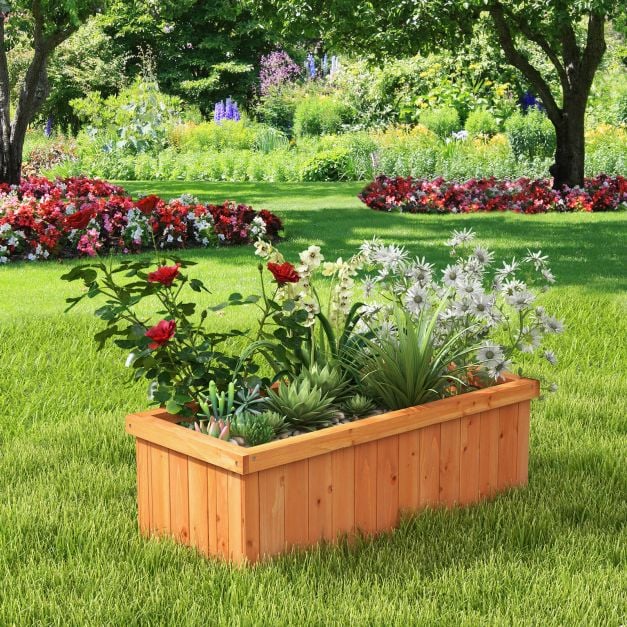
Raised Bed Mistakes to Avoid
Even a well-built raised bed can underperform if a few common mistakes are overlooked. Avoiding these issues will save time, money, and frustration later. One of the most common errors is building the bed too wide, making it difficult to reach plants in the centre. Choosing untreated or unsuitable timber can also reduce the structure's lifespan. Another frequent mistake is filling the bed with compost alone. While compost is beneficial, plants perform best when grown in a balanced soil mixture. Poor drainage, insufficient depth, and failing to plan access paths around the bed can also affect long-term productivity.
Conclusion
Whether you're growing herbs on a patio or creating a larger vegetable garden, a well-built raised bed can improve drainage, simplify maintenance, and increase planting flexibility. With the right materials and soil mix, most UK gardeners can complete the project in a weekend and start planting immediately.
FAQs
How Long Does It Take to Build a Raised Bed?
Most raised beds can be built in a single day. A simple timber raised bed usually takes 2–6 hours. A simple timber raised bed usually takes between 2 and 6 hours to construct, depending on its size and whether the ground requires preparation. Larger beds or projects involving multiple beds may take a full weekend to complete.
Do Raised Beds Need a Bottom?
No, most raised beds do not need a bottom. Leaving the base open allows roots to grow naturally into the ground below while improving drainage. A bottom is generally only necessary when placing a raised bed on a patio, concrete surface, or balcony.
What Should I Put at the Bottom of a Raised Bed?
A layer of cardboard, newspaper, or weed membrane is often the best material for the bottom of a raised bed. These materials help suppress weeds while allowing water to drain freely. Many gardeners then add soil directly above the barrier without additional layers.
Can I Build a Raised Bed Directly on Grass?
Yes, you can build a raised bed directly on grass. Many gardeners place the frame over existing turf and cover it with cardboard before adding soil. This method suppresses grass growth while allowing the organic material underneath to break down naturally over time.