






The United Kingdom is facing hotter and more frequent summer heatwaves, making it harder for many homes to stay comfortable. During a UK heatwave, the best way to beat the heat is to reduce indoor heat, stay hydrated, avoid strong sun, and use practical cooling support where needed. This is especially important for bedrooms, loft rooms, conservatories, home offices, and homes with older adults, children, or vulnerable people. With the right habits and cooling appliances, you can make hot days safer, easier, and more manageable.
Key Takeaways
UK heatwaves can make homes uncomfortable because many properties are built to retain warmth.
The most important steps are staying hydrated, blocking direct sun, reducing indoor heat, and avoiding heavy activity during peak heat.
Mini split ACs offer stronger room cooling, while fans and air coolers provide more affordable everyday relief.
Air coolers work best in drier indoor conditions, while fans improve airflow but do not lower room temperature.
Ice makers do not cool a room, but they can support hydration and cold drinks during hot weather.
What Exactly Is a Heatwave?
A heatwave is a prolonged period of unusually hot weather. In the UK, the official threshold varies by region, but it generally means temperatures exceeding local averages for at least three consecutive days.Unlike countries that regularly experience high temperatures, many UK homes are designed to retain heat during winter. This can make indoor spaces particularly uncomfortable during summer heatwaves.
How to Stay Cool During a UK Heatwave?
During a UK heatwave, the first priority is to reduce heat exposure and keep your body temperature under control. The GOV.UK Beat the Heat guidance recommends preparing for hot weather, keeping yourself cool, drinking fluids regularly, and checking on people who may be more vulnerable. For most households, the best approach is to combine simple daily habits with practical cooling solutions that make indoor spaces easier to manage.
Immediate Steps to Keep Your Home Cooler
Start by stopping heat from building up indoors. Close curtains or blinds on sun-facing windows during the hottest part of the day, especially in bedrooms, loft rooms, conservatories, and south- or west-facing spaces. Open windows early in the morning or later in the evening when outdoor air is cooler, but keep them closed during peak heat if the air outside is hotter than inside.
You can also reduce indoor heat by limiting appliances that add warmth to the home. Avoid using ovens, tumble dryers, and dishwashers during the hottest hours if possible. Switch off unnecessary lights and electronics, move work or rest areas away from direct sunlight, and use fans to improve airflow in occupied rooms.
How to Keep Yourself Cool and Hydrated?
Keeping your body cool is just as important as cooling the room. Drink fluids regularly throughout the day, wear lightweight clothing, and avoid heavy exercise during the hottest part of the afternoon. Cool showers, damp cloths, chilled drinks, and time spent in shaded areas can all help reduce heat stress.
If you work from home, have young children, live with older family members, or sleep in an upstairs room, plan ahead before the heat peaks. Set up a cooler room for resting, keep water nearby, and check on anyone who may struggle to recognise overheating quickly.
When Does a UK Heatwave Become Dangerous?
A UK heatwave becomes dangerous when high temperatures last long enough to affect health, sleep, transport, work, and daily routines. The Met Office defines a UK heatwave as at least three consecutive days when daily maximum temperatures meet or exceed the local heatwave threshold, which varies by county.
Recent UK summers show why preparation matters. In 2022, the UK recorded 40.3°C for the first time, according to the Met Office. In June 2026, the Met Office forecasted potential record-breaking temperatures and issued severe heat advisories, reinforcing the need for proactive cooling strategies
Who Is Most at Risk During a Heatwave?
Anyone can become unwell in hot weather, but some people are more vulnerable during a UK heatwave. Higher-risk groups include:
Older adults
Babies and young children
Pregnant women
People with heart, lung, kidney, or long-term health conditions
People taking medicines that may affect temperature regulation
People who work outdoors or do physical work in hot conditions
People living alone or in homes that overheat easily
These groups may need extra support, especially during several consecutive hot days or warm nights when the body has less time to recover.
Warning Signs to Watch For
Heat exhaustion can happen when the body overheats and struggles to cool down.Common symptoms include tiredness, weakness, feeling faint, headache, muscle cramps, feeling or being sick, heavy sweating, and intense thirst.
If someone shows these signs, move them to a cooler place, remove unnecessary clothing, give cool drinks if they can drink safely, and cool the skin with water, a fan, or cold packs wrapped in cloth. They should start to feel better within 30 minutes.
Heatstroke is more serious and is a medical emergency. If someone becomes confused, has a fast heartbeat or breathing, has hot skin that is not sweating, has a seizure, loses coordination, or does not improve after cooling down, call 999 and continue trying to cool them while waiting for help.
Which Cooling Solution Works Best During a UK Heatwave?
The best cooling solution depends on how hot your home gets, which room you need to cool, your budget, and whether you need immediate relief or a longer-term setup. Fans, air coolers, mini split ACs, and ice makers all help in different ways, but they should not be treated as the same type of solution.
Mini Split AC: Best for Strong Room Cooling
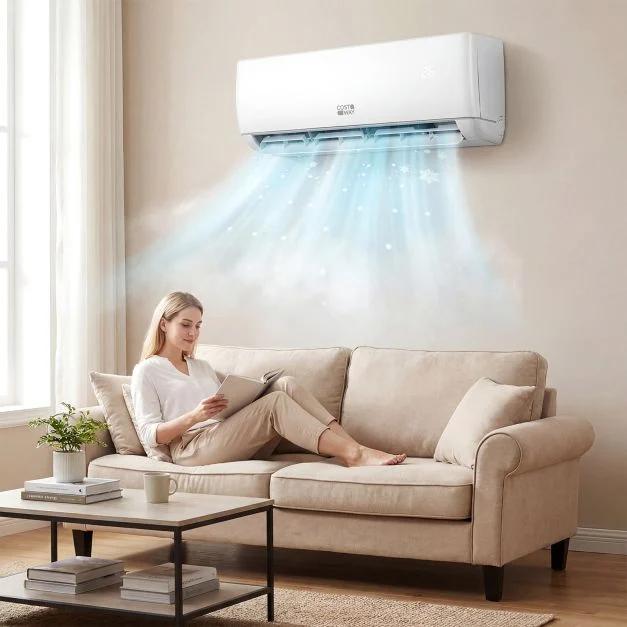
A mini split AC is one of the strongest options when a specific room stays hot for hours or remains uncomfortable overnight. Air conditioners actively remove heat from the room, helping maintain a steadier indoor temperature in bedrooms, lounges, home offices, conservatories, loft rooms, and other UK spaces that trap heat during a prolonged heatwave. The main drawback is that it is more of a planned cooling solution than an instant fix, and it may require professional installation depending on the model and home layout.
Fans: Best for Low-Cost Personal Cooling
Fans are one of the simplest and most affordable ways to feel cooler during a UK heatwave. They do not lower the actual room temperature, but they move air across your skin, which can make the space feel more comfortable. They work best in occupied rooms and are especially useful when combined with closed blinds during peak sun and open windows when outdoor air is cooler.
Air Coolers: Best for Drier Indoor Conditions
Air coolers can be a useful middle option between a fan and an air conditioner. They pass air through water-soaked cooling pads to create a cooler airflow and often use less energy than many air conditioners. However, they work best in drier indoor conditions; if a room already feels humid or muggy, a fan or AC may feel more effective.
Ice Makers: Best for Cold Drinks and Hydration
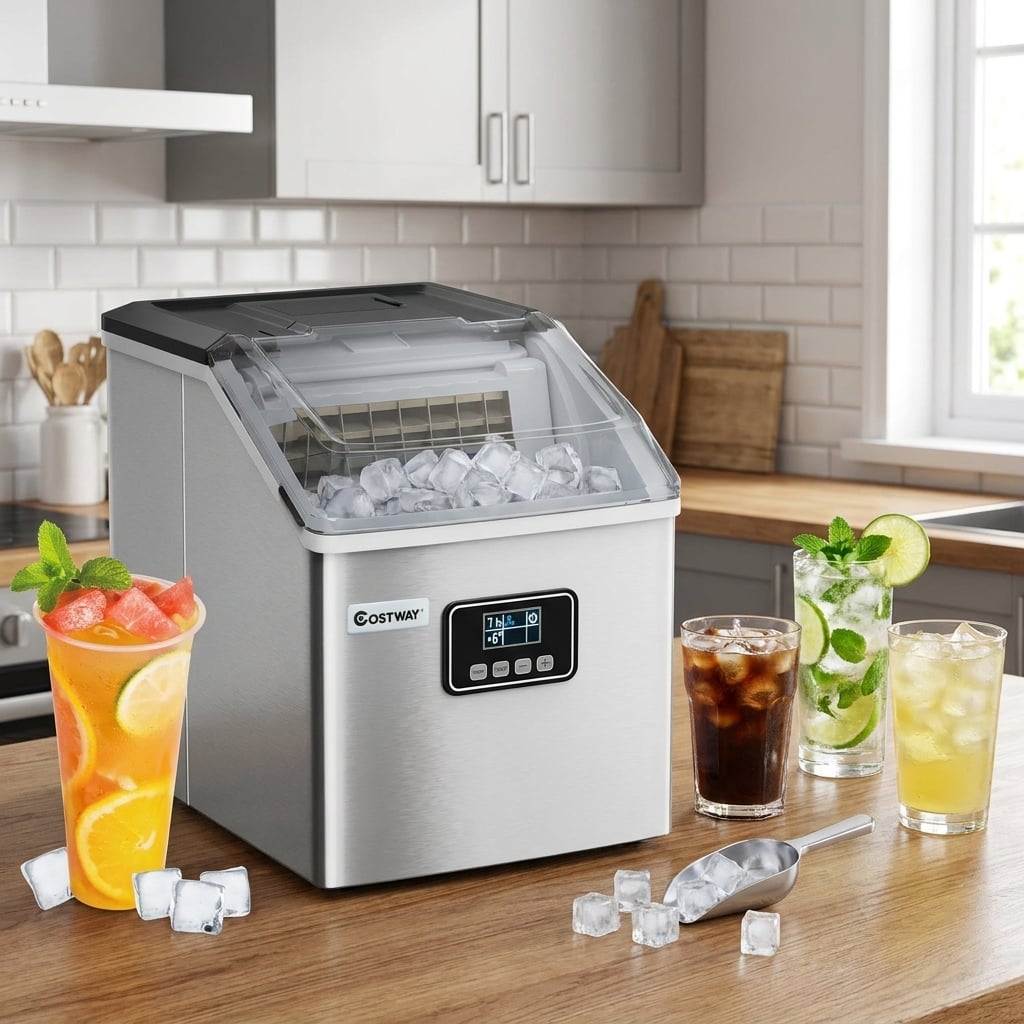
Ice makers do not cool a room, but they can still support heatwave comfort by making cold drinks easier to prepare. Staying hydrated is one of the most important daily habits during hot weather, and having ice available for water, iced coffee, soft drinks, or garden gatherings can make it easier to keep drinking fluids throughout the day.
Handling Extreme Heat With Costway: Portable, Effective, and Smart Solutions
Once you know what type of cooling support your home needs, Costway offers practical options for different room sizes, budgets, and heat levels. The key is to choose by use case and specification, not simply by product type.
Mini Split AC for Stronger Long-Term Room Cooling
For larger rooms, open-plan spaces, conservatories, or homes that regularly overheat in summer, the 24000 BTU Mini Split AC Heating System is a stronger long-term cooling option. It offers 24,000 BTU / 7,200W cooling and heating capacity, covers spaces up to 139㎡, and provides a 16–32°C temperature setting range. It also includes dehumidifying capacity of 58.8 L/day, 7 operating modes, 5 fan speeds, R32 refrigerant, a 24-hour timer, and a minimum indoor noise level of 19 dB. This makes it more suitable for larger heat-trapping spaces than a small bedroom that only needs occasional airflow.
High Velocity Fan for Affordable Airflow
For lower-cost airflow in bedrooms, lounges, loft rooms, garages, and home offices, the 160W High Velocity Floor Fan is a practical option. It has a 20-inch fan blade, 160W rated power, 3 speed settings, and airflow levels of 5062 / 5906 / 6750 CFM. The 145° adjustable tilt helps direct airflow where it is needed, while the metal frame and 5.5 kg net weight make it sturdier than a lightweight desk fan. It will not lower the actual room temperature, but it can improve air movement and comfort during hot UK days.
Air Coolers for Moderate Heat and Drier Indoor Conditions
For households that want more cooling than a standard fan but do not need full air conditioning, Costway’s air coolers can be useful in drier indoor conditions. Models in the range include options such as 7L, 15L, 20L, and 27L water tanks, with features like 3 fan speeds, remote control, timer settings, ice packs, and evaporative cooling. For example, smaller 7L models use around 65W, while larger evaporative coolers can offer stronger airflow for garages, workshops, conservatories, or larger rooms. They are best used when the air is not already very humid.
Ice Maker for Cold Drinks and Hydration
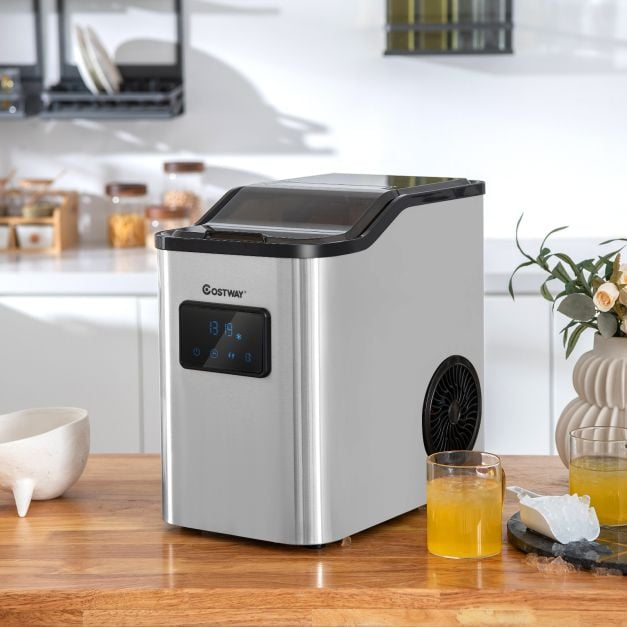
For hot days, BBQs, home offices, and family use, the 5 cm Ice Ball Maker with Self-Cleaning Function supports comfort by making cold drinks easier to prepare. It produces 5 cm sphere ice, with a daily output of up to 150 pieces and storage for 44–48 ice balls. The operating cycle is around 38–39 minutes, with a 2L water tank, 260W power, self-cleaning function, and a quiet working level of ≤42 dB. It will not cool a room, but it can support hydration and chilled drinks during a UK heatwave.
Conclusion
Heatwaves in the United Kingdom are no longer rare events, and preparing for them can make a significant difference to your comfort and wellbeing. Start with simple strategies such as staying hydrated, keeping sunlight out of your home, and creating shaded outdoor spaces. For more reliable cooling, consider investing in practical solutions such as air conditioners, fans, air coolers, and ice makers. By combining smart habits with effective cooling appliances, you can stay comfortable and productive even during the hottest days of the year.
FAQs
How Can I Cool Down a Room Quickly?
If you need to cool a room quickly during a UK heatwave, close curtains and blinds to block direct sunlight and switch off unnecessary appliances that generate heat. Open windows during cooler evening hours to improve ventilation. For the fastest results, use an air conditioner to lower the room temperature, while a high-powered fan can help improve airflow and make the space feel more comfortable.
What Is the Best Cooling Appliance for a UK Heatwave?
The best cooling appliance for a UK heatwave depends on your needs and budget. Air conditioners provide the most effective cooling by actively removing heat from the room. Fans offer an affordable way to improve air circulation, while air coolers provide a balance between cooling performance and energy efficiency. For prolonged periods of hot weather, an air conditioner typically delivers the greatest level of comfort.
Is an Air Cooler Better Than a Fan?
An air cooler and a fan work differently, so the better option depends on your situation. A fan circulates air to create a cooling sensation, while an air cooler uses water evaporation to produce cooler airflow. Air coolers generally feel more refreshing in hot weather, but both can be effective solutions for staying comfortable during a UK heatwave.
What Are the Best Garden Shade Solutions for a Heatwave?
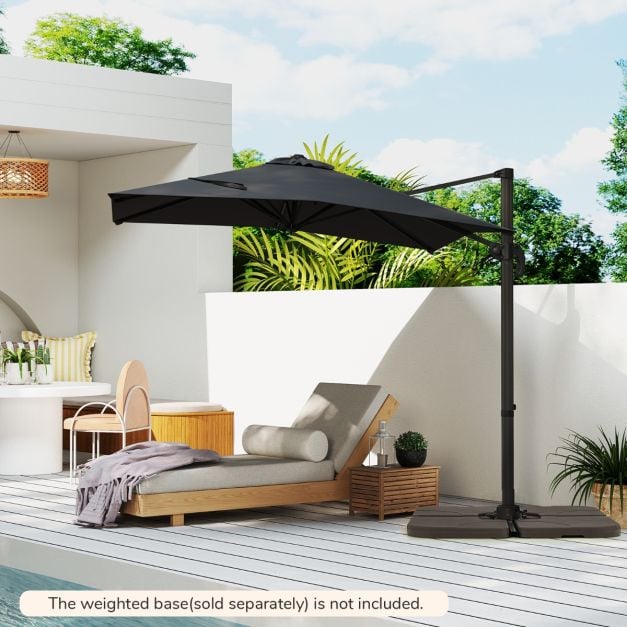
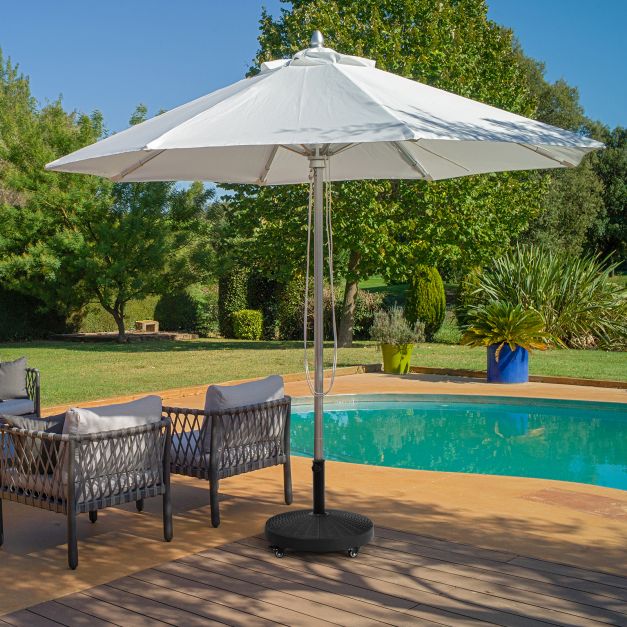
Creating shade is one of the most effective ways to stay comfortable outdoors during a heatwave. Popular garden shade solutions include gazebos, pergolas, patio umbrellas, shade sails, and retractable awnings. These structures help block direct sunlight, reduce heat exposure, and create a cooler, more enjoyable outdoor living space.
Read More:
Best Ice Making Machine for Home: The Complete 2026 Buyer’s Guide
Best Summer Activities for UK Families in 2026
How to Stay Comfortable Watching the World Cup at Home in the UK