
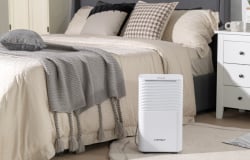






A dehumidifier is an electrical appliance that extracts excess moisture from the air. By drawing in damp air and collecting the water, it maintains optimal indoor humidity, prevents black mould and condensation, and helps dry your laundry much faster during cold, wet weather.
Key Takeaways
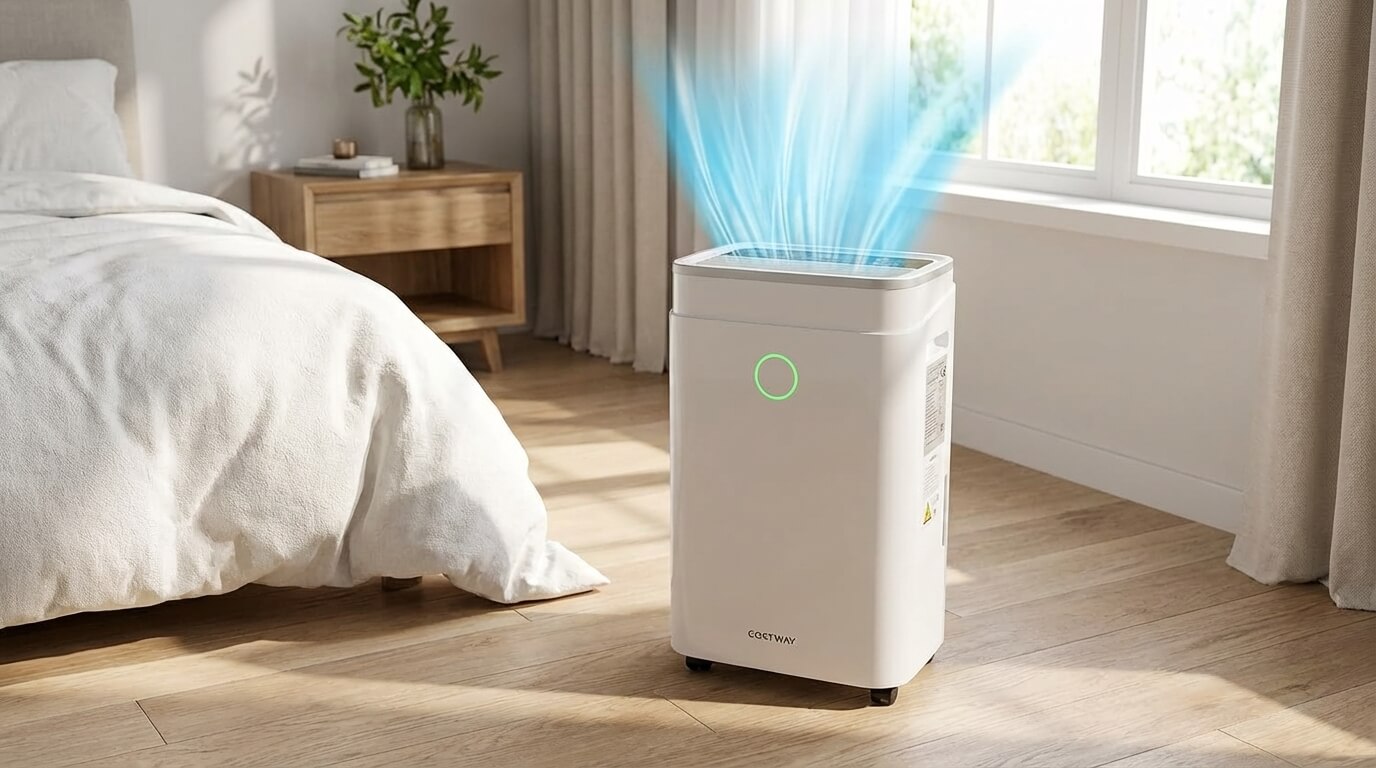
A dehumidifier removes excess moisture from the air by continuously drawing in humid air, extracting water, and releasing drier air.
Maintaining indoor humidity between 40% and 60% helps reduce condensation, prevent mould, and improve comfort.
Desiccant dehumidifiers perform more effectively than compressor models in cold indoor temperatures.
Matching the dehumidifier's extraction capacity to room size is essential for efficient moisture control.
Using features like continuous drainage and laundry mode improves convenience and drying performance.
Understanding How a Dehumidifier Works
Now that you know what a dehumidifier does, it helps to understand how it actually removes moisture from the air.
Pulls in damp air – A fan draws in humid air from the room.
Removes water – Moisture is condensed or absorbed and collected in a tank.
Sends dry air back – The unit releases drier, more comfortable air.
Steady cycle – This process repeats continuously to maintain balanced humidity levels.
Benefits of a Dehumidifier for Your Home
Once running, a dehumidifier can make a noticeable difference in everyday comfort, especially in UK homes where damp conditions are common.
Reduces Damp and Condensation
Condensation on windows is one of the most common signs of excess humidity. A dehumidifier helps reduce moisture in the air, which means fewer water droplets on glass and less risk of damp patches forming on walls or ceilings.
Prevents Mould and Musty Smells
Persistent moisture creates the perfect environment for mould growth. By lowering humidity levels, a dehumidifier helps prevent black mould from developing and reduces that lingering musty smell often found in poorly ventilated rooms.
Helps Dry Clothes Indoors Faster
Drying laundry indoors is a daily reality in many UK households, especially during winter. A dehumidifier speeds up the drying process by pulling moisture directly from clothes, helping them dry faster without leaving the room feeling damp.
Improves Air Quality and Comfort
Excess humidity can make indoor spaces feel cold and uncomfortable. A dehumidifier creates a more balanced environment, making rooms feel warmer, fresher, and easier to breathe in.
How to Choose the Right Dehumidifier
Understanding the benefits is one thing, but choosing the right model ensures you actually get those results in your home.
Room Size and Extraction Rate
Larger rooms or open-plan areas require a higher extraction rate to effectively reduce humidity. Smaller bedrooms or bathrooms can be managed with more compact units. When considering what size dehumidifier you need, it's important to match the unit's capacity to the room size for efficient performance.
Noise Level and Energy Efficiency
If you plan to use a dehumidifier in a bedroom or living space, noise level matters. Look for models designed for quiet operation, especially for overnight use. Energy efficiency is also important, as the unit may run for extended periods during colder months.
Water Tank vs Continuous Drainage
Some dehumidifiers collect water in a tank that needs emptying regularly, while others offer continuous drainage through a hose. For frequent use—such as drying clothes indoors—continuous drainage can be more convenient.
What Is the Best Dehumidifier for UK Homes?
With so many options available, the best choice depends on how and where you plan to use your dehumidifier, much like choosing from the best portable air conditioners of 2025, where performance depends heavily on environment and usage.
Best Type for Cold UK Weather
In the UK, colder indoor temperatures—especially during winter—can significantly affect dehumidifier performance. Choosing the right type is essential for maintaining consistent moisture control.
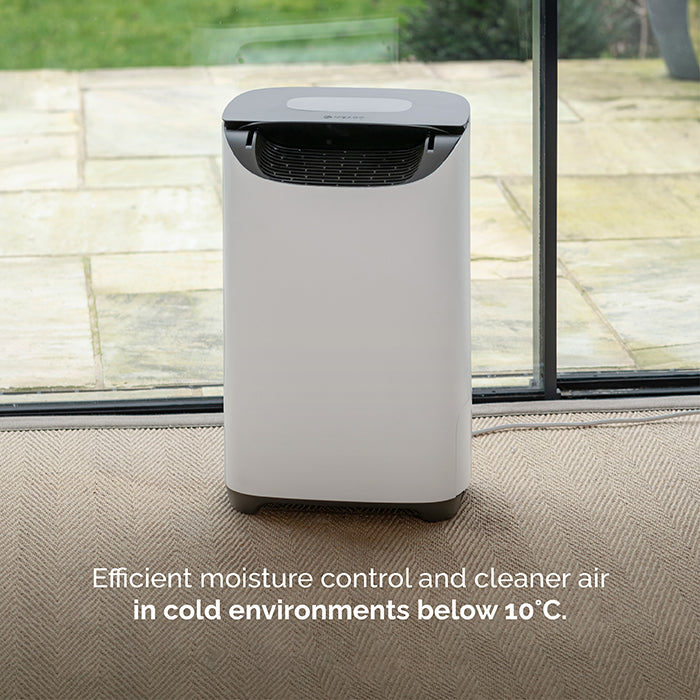
A Meaco DD8L Pro Desiccant Dehumidifier is generally the most suitable option for cold environments, as it does not rely on refrigerants and continues to work efficiently even in low temperatures. Compared to compressor models, which often struggle below 15°C, this type maintains stable performance throughout colder months.
Key Features
Consistent Low-Temperature Performance – Efficient moisture control and cleaner air in cold environments below 10°C.
Faster Laundry Drying – Dedicated Laundry Mode combines heat + airflow to dry clothes quicker, even in cold UK conditions.
Effortlessly in Control – Control anytime, anywhere with the Meaco app. Voice command is also available.
Sleep-Friendly Night Mode – Turns off lights and alerts while maintaining quiet airflow for undisturbed rest.
Versatile Use Anywhere – Ideal for homes, garages, boats, or second properties needing moisture control.
Best for Drying Clothes
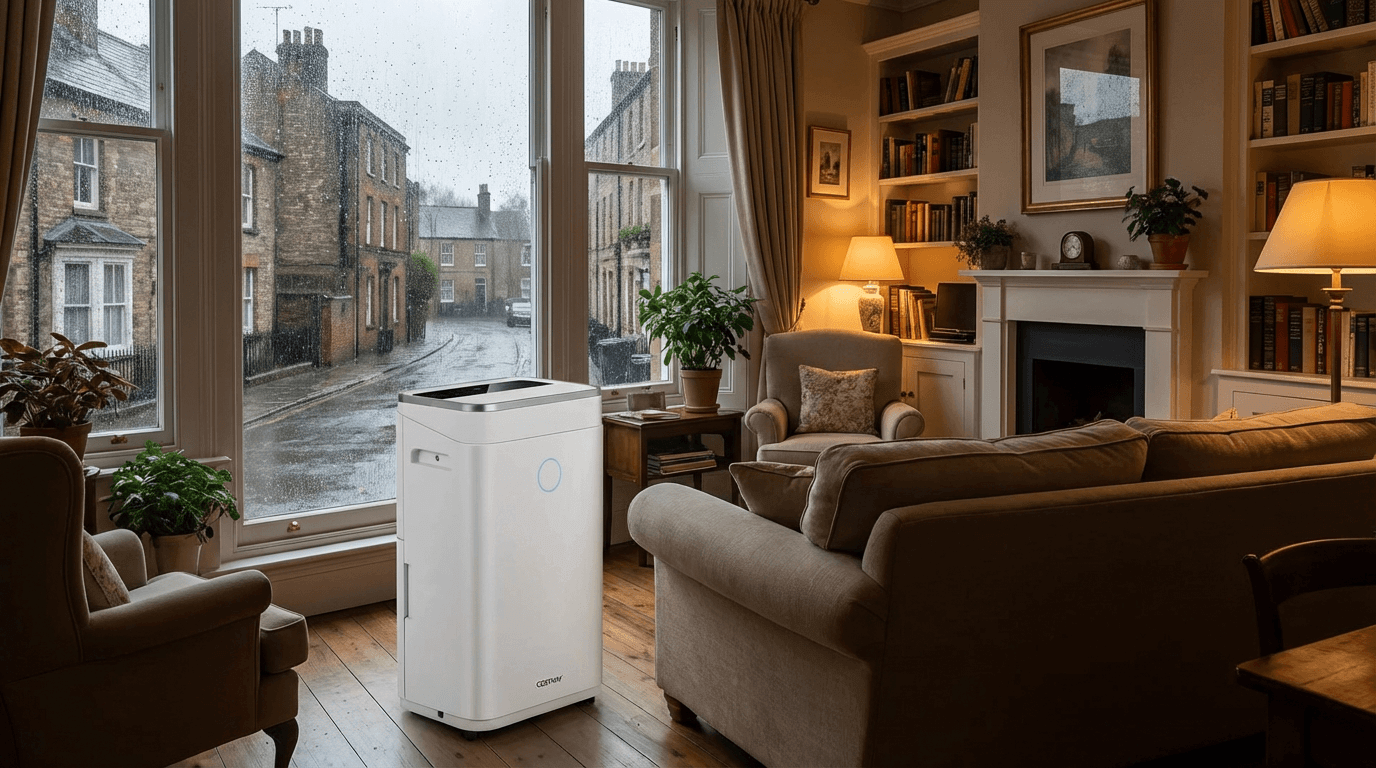
Drying clothes indoors is common in the UK, especially during rainy or colder months. However, it can increase humidity levels and lead to damp smells if not managed properly.
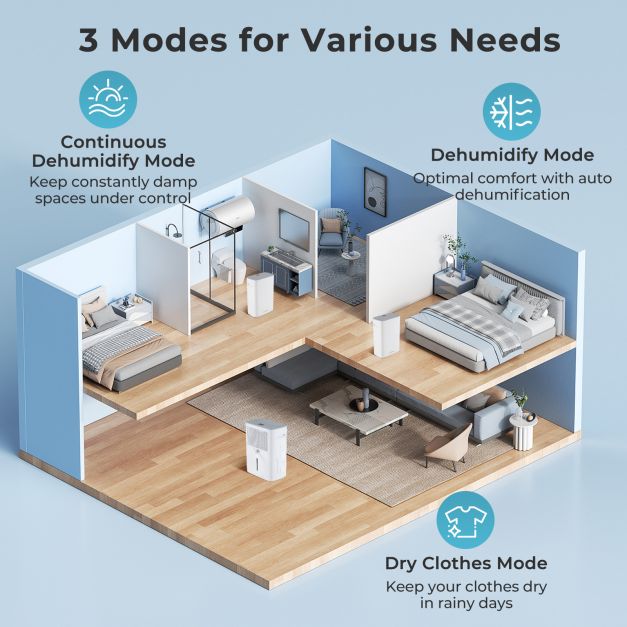
If you regularly dry laundry indoors, a high-capacity model like the Costway 24 L Energy Efficient Dehumidifier with Auto Drain or Manual Drainage can significantly reduce drying time while keeping the room comfortable. Unlike standard settings, the dry clothes mode maintains a higher, consistent fan speed and extraction rate, accelerating moisture removal and improving overall drying performance.
Key Features
Dry Clothes Mode – Runs continuously at a higher extraction level to remove moisture directly from wet clothes.
24L Daily Extraction – Handles large amounts of moisture released during indoor drying.
Auto Drain Option – Allows continuous operation without needing to empty the tank during long drying cycles.
24H Timer and Easy Operation – Equipped with a smart touch control panel with LED digital display for simple operation and monitoring.
Best for Large Rooms vs Small Spaces
Selecting the right dehumidifier capacity is crucial for achieving optimal performance and energy efficiency, as different room sizes require different solutions.
For smaller or enclosed spaces like bedrooms or bathrooms, a compact desiccant dehumidifier offers better flexibility, quieter operation, and more consistent performance, especially in cooler conditions.
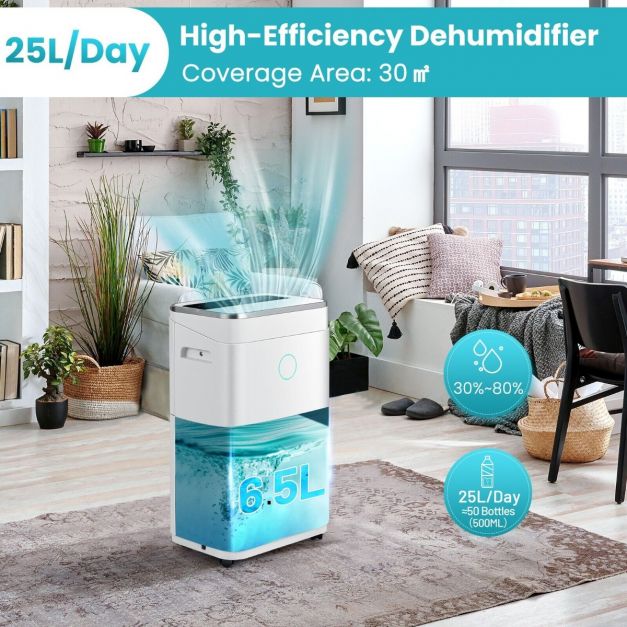
For larger living areas, basements, or open-plan spaces, choosing a more powerful unit is essential. A model like the Costway 25L Per Day Dehumidifier with 6.5L Water Tank and 24H Timer for Home Basement is better suited for handling higher humidity levels across bigger spaces.
Key Features
25L Daily Extraction – Ideal for larger rooms (20–30 m²), effectively controls high humidity in living rooms, basements, and shared spaces.
6.5L Large Water Tank – Fewer interruptions with less frequent emptying during extended use.
3-Color Humidity Indicator – Instantly shows air quality: blue (≤45%), green (45–65%), red (≥65%).
Child Lock & Sleep Mode – Added safety for families plus quiet, low-light operation for undisturbed rest.
How to Use a Dehumidifier Effectively
Even the best dehumidifier won't perform well without proper use, so setup and maintenance are key—just like maintaining other household improvements when working towards a greener home, where efficiency and care play an important role.
Ideal Placement in Your Home
Place your dehumidifier in areas with the most moisture, such as near windows, laundry racks, or damp corners. Keep it slightly away from walls to allow proper airflow.
Setting the Right Target Humidity
In the UK, the ideal indoor humidity level is typically between 40% and 60%, especially during winter. Staying within this range helps prevent mould while keeping the air comfortable.
Regular Maintenance and Filter Cleaning
To keep your dehumidifier running efficiently, empty the water tank regularly (if not using drainage) and clean the filters to maintain proper airflow.
Conclusion
So, what does a dehumidifier do in practical terms? It helps control excess moisture, making your home more comfortable, reducing condensation, and preventing mould. For many UK households, especially during colder months, it's a simple and effective way to manage damp conditions and improve everyday living.
FAQs About Dehumidifiers
Does a dehumidifier use a lot of electricity?
Most modern dehumidifiers are designed to be energy efficient, especially models with built-in humidistats and auto shut-off functions. Actual electricity usage depends on the unit's size, settings, and how long it runs each day. In general, they consume a similar amount of energy to other small household appliances, and running them efficiently—such as maintaining a set humidity level rather than continuous operation—can help reduce energy costs.
Do I really need a dehumidifier in the winter?
In the UK, winter often leads to higher indoor humidity due to limited ventilation, colder temperatures, and drying clothes indoors. These conditions can increase the risk of condensation and damp. A dehumidifier helps maintain balanced humidity levels during this time, making indoor spaces feel more comfortable and reducing moisture-related issues.
Will a dehumidifier stop mould completely?
A dehumidifier helps prevent mould by reducing the excess moisture that allows it to grow. However, it does not remove existing mould on surfaces. To fully address mould problems, affected areas should be properly cleaned and treated, and adequate ventilation should be maintained alongside dehumidifier use.
How long does it take to reduce humidity?
The time required to reduce humidity depends on factors such as room size, initial moisture levels, temperature, and the dehumidifier's extraction capacity. In many cases, a noticeable improvement can be felt within a few hours, while achieving and maintaining an optimal humidity level may take longer with continuous use.